
Views: 199 Author: Site Editor Publish Time: 2025-12-02 Origin: Site


In industrial environments where repetitive hand movements, gripping tools, or lifting heavy materials are part of the daily routine, the right work gloves do more than just protect against cuts and abrasions—they help prevent long-term injury and fatigue. Ergonomic work gloves are specially engineered to support natural hand movements and reduce strain, making them a smart investment for workers in construction, logistics, manufacturing, and other labor-intensive sectors.
Ergonomics is the science of designing products that fit the user's needs and reduce discomfort. When applied to gloves, ergonomic design focuses on the natural anatomy of the hand, allowing for extended use without compromising comfort or safety. Poorly designed gloves can cause:
Excessive pressure on joints and tendons
Limited finger dexterity
Increased muscle fatigue
Reduced grip strength
Higher risk of repetitive strain injuries (RSIs)
Ergonomic gloves help combat these issues through thoughtful features that reduce the effort required for gripping, pulling, or repetitive hand motions.

Here are the most important glove design elements that contribute to safety and ergonomic performance:
Gloves shaped to mimic the natural resting curve of the hand help reduce tension and allow for a more comfortable grip over long periods.
Materials like spandex, neoprene, or soft synthetic leather offer both durability and stretch, ensuring the glove moves naturally with the hand.
Features such as thumb crotch reinforcement help prevent early wear and provide extra support in high-friction zones, crucial for tasks like rope handling or scaffolding work.
Sweaty hands can lead to chafing, discomfort, and a reduced grip. Ergonomic gloves often include moisture-wicking linings or breathable backs to keep hands dry.
A secure yet comfortable fit at the wrist ensures that the glove stays in place without cutting off circulation.
Some ergonomic gloves include padded palms or anti-vibration technology, which is especially useful for workers operating power tools or machinery.

Reduces muscle fatigue during long shifts
Improves task performance and grip strength
Minimizes the risk of injury from repetitive motions
Boosts worker satisfaction and productivity
Extends glove lifespan due to better wear resistance
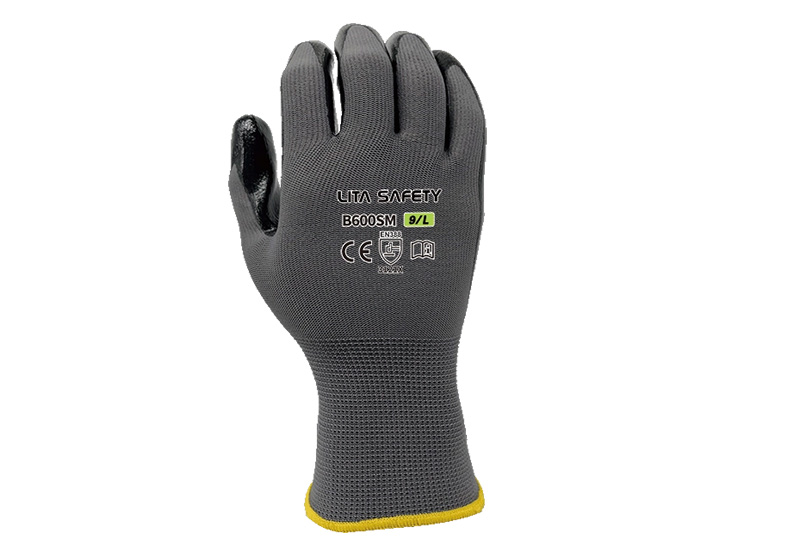
Ergonomic work gloves are particularly beneficial in industries such as:
Construction – for tasks involving tool handling, lifting, or concrete work
Warehousing & Logistics – where frequent lifting and sorting require flexibility and grip
Automotive & Manufacturing – for fine assembly tasks that require dexterity and protection
Utilities & Maintenance – where grip, flexibility, and durability are crucial
Choosing work gloves that balance ergonomics and safety is essential for both productivity and worker well-being. Features like an ergonomic fit, breathable and flexible materials, and thoughtful reinforcements such as a thumb crotch guard can significantly reduce hand fatigue and minimize the risk of strain or injury during repetitive or high-pressure tasks.
For industries where manual labor is intensive—such as construction, logistics, and mechanical repair—investing in well-designed gloves isn't just about protection; it's a long-term investment in workforce efficiency and health.
If you're looking for high-quality gloves that combine advanced ergonomic design with reinforced safety features, LITA Safety offers a range of solutions tailored for demanding environments. Contact us today at info@litasafety.com.


